

As we reflect on the 2026 food & beverage industry, manufacturers and processors spent the year adapting quickly to shifting consumer priorities while navigating an unpredictable supply chain. In our 2026 Food & Beverage Trends predictions and 2026 Food & Beverage Trends Update articles, we highlighted the ingredients and themes we expected to define the food industry over the past year. With the end of 2026 approaching quickly, here is a look at which trends delivered, which ones surprised us, and what these trends mean for food & beverage ingredient sourcing & new product development as we enter 2027.
Protein Stayed in the Spotlight
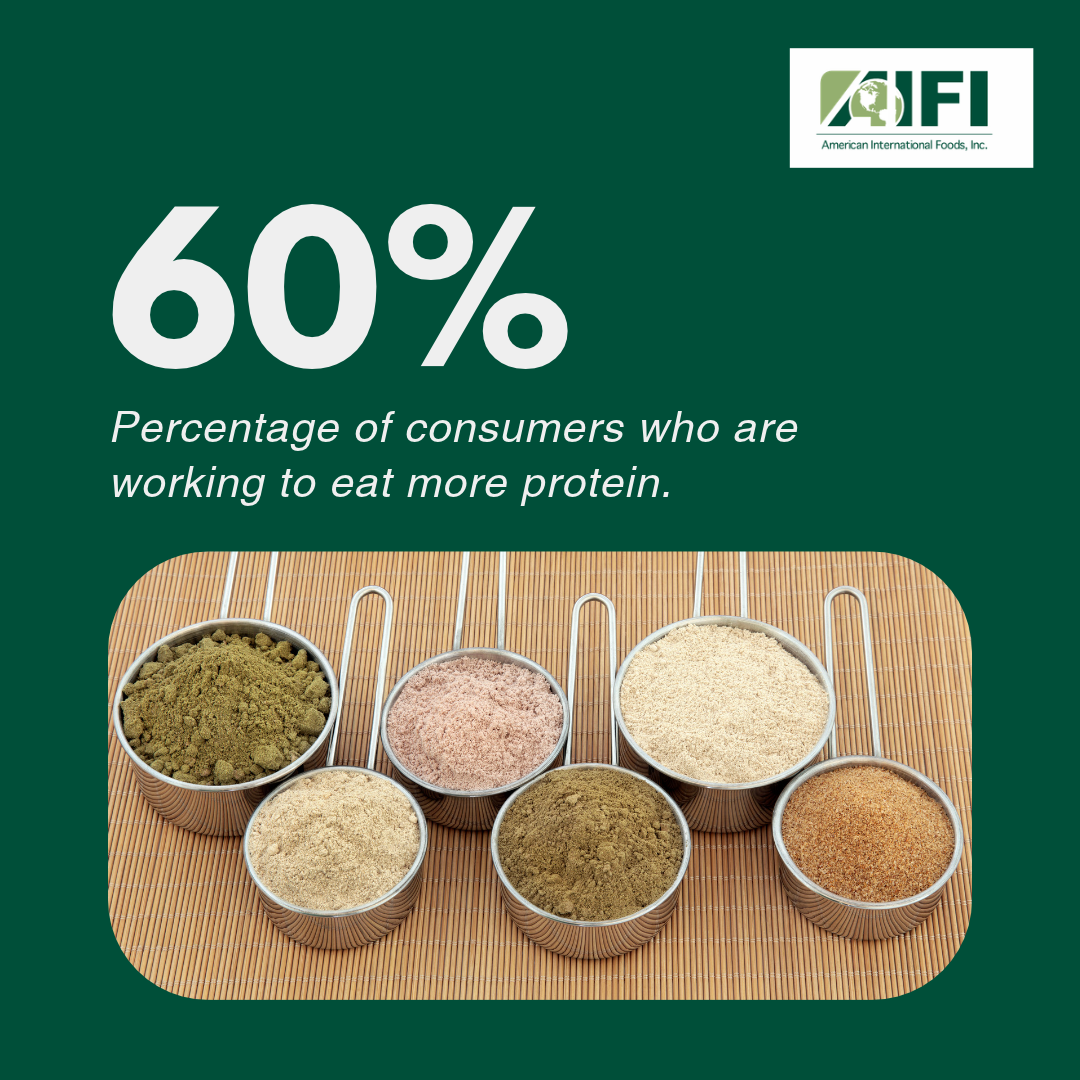 Protein was the top trend of the year. Innova Market Insights named “Powerhouse Protein” its number one trend for 2026, noting that roughly 60% of consumers are working to eat more of it. The updated U.S. Dietary Guidelines reinforced the momentum by prioritizing protein and welcoming full-fat dairy, as outlined by Medical News Today.
For manufacturers, protein showed up in more formats and more occasions than ever, including snacks, beverages, bakery, and ready-to-eat items. Interest also grew in pairing protein with fiber, a theme highlighted in Kroger’s 2026 food trend predictions. In Europe, Innova reports that 1 in 10 new product launches is now high-protein, and NielsenIQ data shows UK protein sales up 9.6%.
Explore our Dairy Processing Ingredients and Baking Ingredients to see how protein-forward options complement your food & beverage products.
The Whey Protein Demand
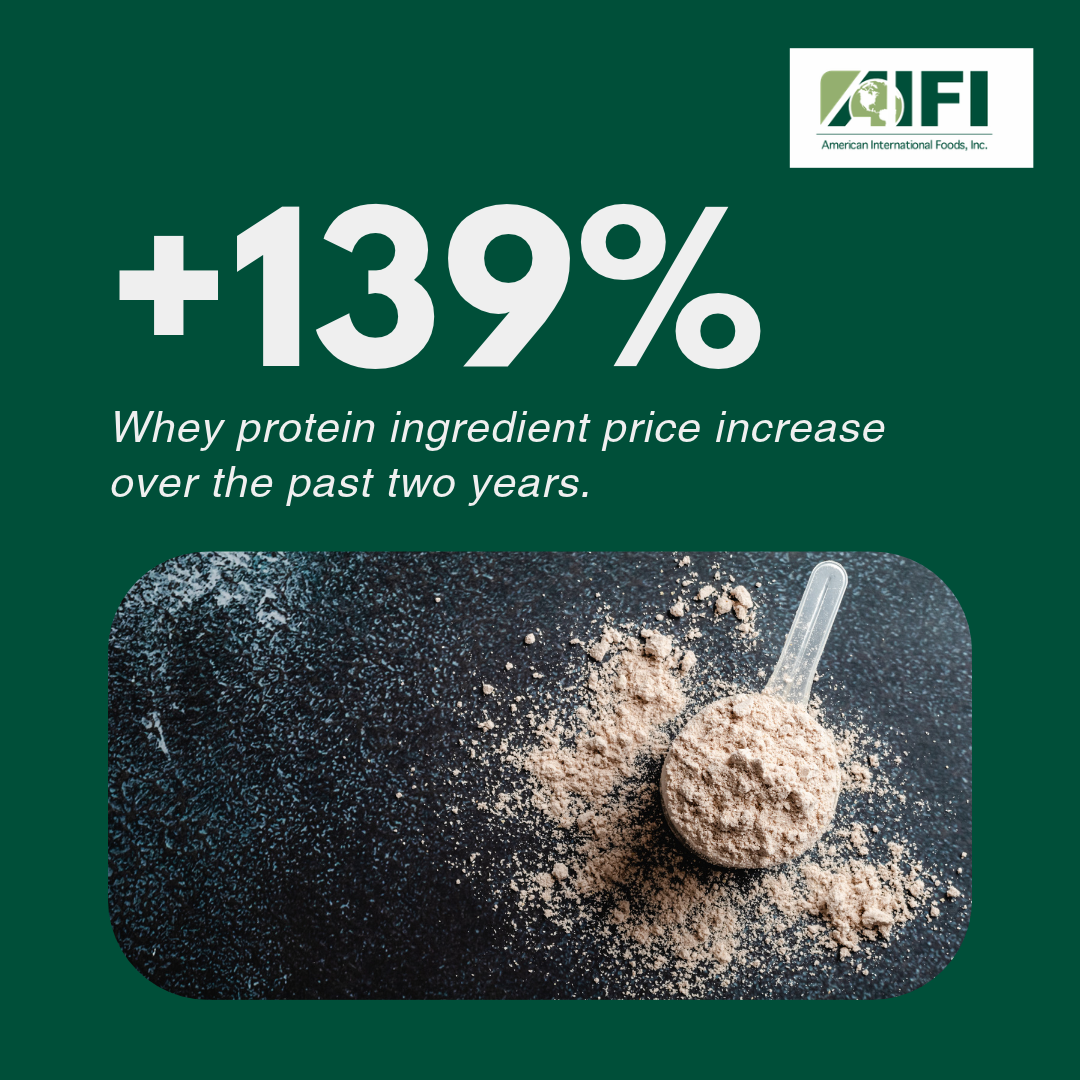 Strong demand came with a cost as whey protein ingredient prices climbed to record levels, with New Hope Network reporting increases of as much as 139% over two years. Processing capacity for whey protein concentrate and whey protein isolate has been the bottleneck, rather than the raw milk supply itself. New Hope Network also notes that whey contains about 25% more leucine than pea protein, one reason demand has stayed so strong.
This is pushing many formulators to evaluate blends and alternatives, including other dairy proteins and plant-based options. If whey cost or availability is affecting your formulations, our team can help you evaluate options through our Product Formulation support, and our Weekly Market Reports keep you current on dairy market movement.
The New “Fibermaxxing” Trend
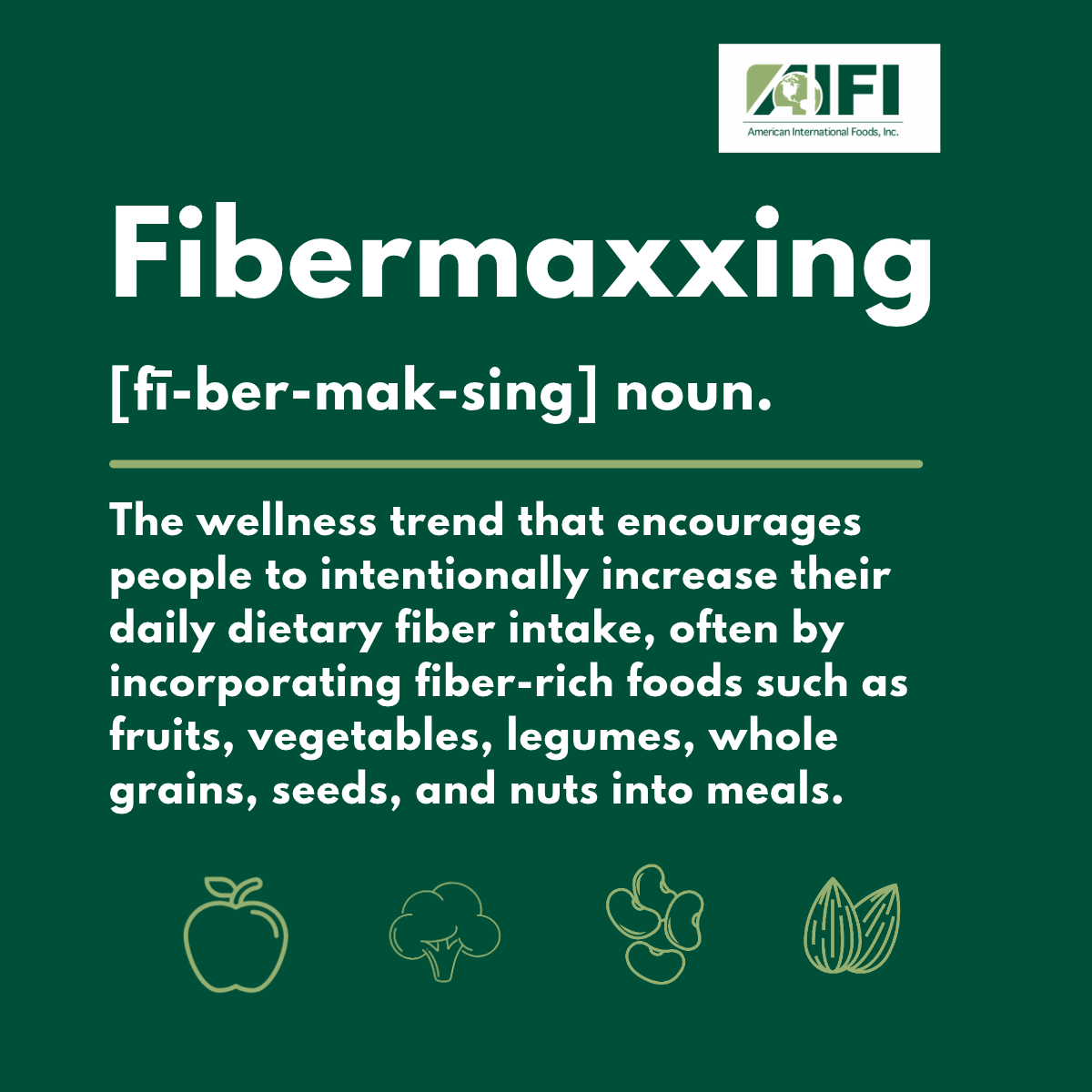 Protein was the early 2026 front runner, but fiber caught up quickly as the year went on. Whole Foods Market’s 2026 trend forecast put fiber front and center, and the online “fibermaxxing” conversation carried it into the mainstream. Fiber is now being treated as a functional benefit in its own right, not just a nutrition panel line item. NielsenIQ data shows UK fiber sales up 14.1%, outpacing the 9.6% growth in protein.
For product developers, that means more opportunities to add prebiotic fibers, resistant starches, and whole-food fiber sources to bars, beverages, baked goods, and snacks, often alongside protein for a “protein plus fiber” claim. View our Functional Foods & Beverages article to learn more about functional ingredients.
Gut Health as a Category Driver
 Innova’s number two trend, “Gut Health Hub,” reflects how consumers now see digestive health as a gateway to overall wellness. According to Innova’s trend press release, 59% of global consumers say gut health is very important for the entire body, and Nutrition Insight took a closer look at how the trend is evolving. Innova also found that 44% of consumers believe better gut health leads to more energy, better skin, and stronger immunity, and Tastewise reported gut health interest in Japan up 94%.
Gut health showed up in cultured dairy such as cottage cheese and kefir (noted in Kroger’s predictions), fermented foods, and functional beverages. Hydration and “beverages with purpose” also gained ground, giving beverage manufacturers more reasons to look at functional ingredient systems.
The GLP-1 Medication Effect
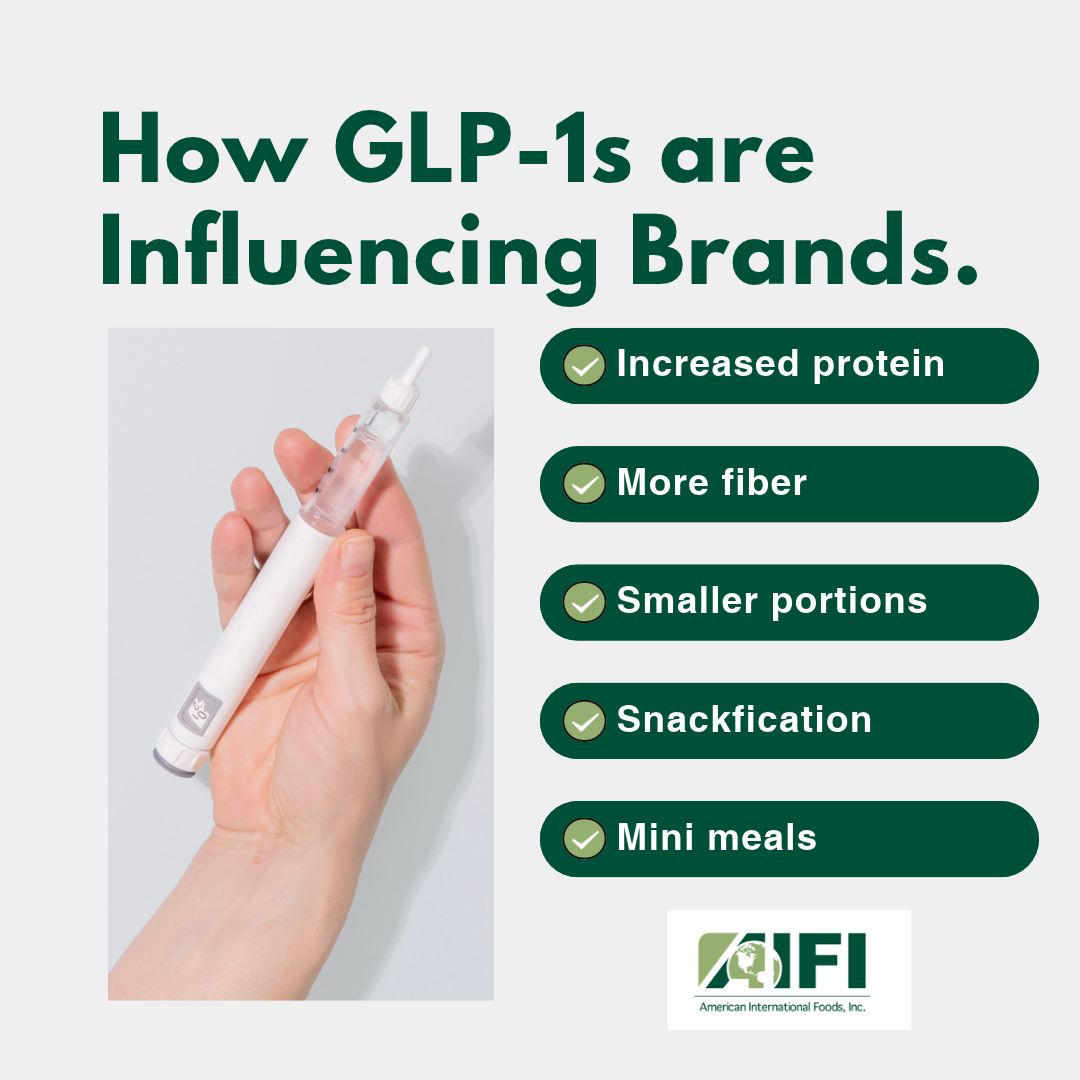 GLP-1 medications continued to change how Americans eat, and food companies are racing to keep up. CNBC reported on how restaurants and packaged food brands are leaning into protein, fiber, and smaller portions, while FTI Consulting described how the drugs are rewriting the rules of food and beverage. Snackification and mini meals are a direct result, and Food Dive reports that food makers expect GLP-1s to have a lasting influence on the sector. A KFF poll cited by Food Dive found that about 1 in 8 adults say they take a GLP-1, and PwC analysis reported by Reuters found that users consume about 40% fewer calories on average.
For ingredient suppliers, the takeaway is nutrient density: smaller portions need to deliver more protein, fiber, and micronutrients per bite. We covered this shift in more detail in our article on the GLP-1 medication effect on the food industry.
Clean Labels and the Removal of Synthetic Dyes
Few trends moved from conversation to action as quickly as clean label. The FDA signaled a sweeping shift away from petroleum-based synthetic dyes, along with new labeling flexibility and reformulation timelines, as summarized by Barley. Some retailers announced their own color policies as well, a trend covered in From MAHA to Market by Kelley Drye.
Industry timelines now point toward synthetic dyes being gone by late 2027, according to Food Industry Executive. Reformulating is not simple. Food Industry Executive described the reality of reformulating out of synthetic dyes. Natural colors such as red beet powder and spirulina are in demand, but stability, heat, light, and pH performance require careful testing.
Learn more about the benefits of using natural colors in our article about natural food coloring alternatives.
Regulatory Uncertainty
Beyond dyes, the MAHA movement kept manufacturers watching closely. FoodNavigator described an industry accelerating reformulation while still in limbo, and Wiley outlined open questions around an ultra-processed food definition and GRAS reform. Kelley Drye also covered FDA updates on “No Artificial Color” claims and a new preservative safety reassessment, and Kemin looked at what the new food pyramid could mean for shelf life.
We first discussed this kind of change in our article, Preparing for Change: What RFK’s Proposed Ingredient Bans Could Mean for Food Manufacturers. Our dedicated sales team can help you source and sample new ingredients as these regulations & requirements evolve.
Plant-Based and Whole Food Ingredients
Plant-based did not disappear, it matured. Innova’s Plant-Based Trends report ranked “authentic plant-based” as a top global trend for 2026, with legumes and recognizable whole-food ingredients leading the way instead of heavily processed meat and dairy imitations. Impressive Magazine also pointed to precision fermentation and functional mushrooms such as lion’s mane as ingredients to watch. Innova’s research also found that 40% of consumers say natural or minimal processing is a pivotal factor when choosing protein foods.
Bold, Global & Nostalgic Flavors
Flavor trends in 2026 balanced adventure with comfort. The National Restaurant Association’s What’s Hot in 2026 highlighted comfort food paired with global flavors, and Penn State Extension noted that there is a growing interest in regional Indian and South Asian cuisine. Impressive Magazine singled out “swangy” (sweet, spicy, and tangy) as a flavor profile to watch. Mintel pointed to retro rejuvenation as well as an increased focus on a more intense sensory experience & texture through food & beverage options.
Matcha continued to increase in popularity, with nearly 26% year-over-year growth. Tastewise’s UK data shows matcha up 158% and hot honey up 120%, while its Japan data shows hojicha up 46%.
Real Food, Fats & Premium Frozen Products
In 2026, consumers leaned toward food that feels “real”. The new Dietary Guidelines supported full-fat dairy, and Whole Foods Market pointed to beef tallow and ancestral fats as well as premium frozen “freezer fine dining” among its top trends. Together, these signal continued interest in simple, recognizable ingredients and in convenient formats that do not compromise on quality.
Value Driven Purchasing Decisions
Even as consumers chased health and flavor, they kept a close eye on price. Prepared Foods reports that smarter spending is shaping food and beverage growth, with flat volumes and modest growth ahead. Circana data shows US retail food and beverage grew 2.2% in the first half of 2026 and projects growth of 2 to 3% in 2027. For manufacturers, that means balancing premium positioning with cost control, making ingredient sourcing flexibility more valuable than ever.
How Food Manufacturing and Processing Changed
Trends in food manufacturing and processing were just as significant as consumer trends. LCE listed AI as the plant’s “brain,” along with supply chain resiliency, automation, and traceability among five trends to watch. Catena Solutions noted that roughly 50% of companies were planning major AI and supply chain spending and that divestitures were outpacing acquisitions, while CSG Talent described how digital twins and IoT monitoring are transforming U.S. food manufacturing. Aptean added that food-specific AI and ERP systems are gaining traction.
Costs remained a pressure point. Talk Business reported that tariff-related costs, including those for cans and cocoa, are keeping consumer prices elevated, with cans alone accounting for about 4% of cost of goods sold. We broke down similar sourcing impacts in our article on 2025 import tariffs and ingredient sourcing. Reliable partners with stable distribution and strong documentation matter more than ever, and our Ingredient Categories shows how AIFI can help you diversify with our broad ingredient portfolio.
Where 2026 Fell Short
Not every trend we predicted in our 2026 Food & Beverage Trends & Trends Predictions article played out as expected. FoodNavigator reports that scale-up, affordability, and consumer acceptance of precision fermented proteins remained stagnant, and GFI data shows alternative protein venture funding slipped from $382 million to $342 million in the first half of 2026.
Plant-based meat also continued to struggle, with the April 2026 GFI State of the Industry report showing U.S. plant-based meat and seafood dollar sales down 10% in 2025 and unit sales down 11%. A leading plant-based meat manufacturer reported its first quarter 2026 net revenue down 15.3% and volume down 19.5%, even as functional plant ingredients such as pulse proteins gained ground.
What We Missed
Gen Z’s move toward zero- and low-alcohol drinks is a new trend we missed in our 2026 Trends Predictions article. An Attest survey of U.S. Gen Z consumers found that non-drinkers grew from 17% in February 2025 to 24% in February 2026, and Nielsen reports that non-alcoholic beer, wine, and spirits reached $925 million in U.S. off-premise sales, up 21.9% year over year. Food Dive reports that IWSR’s Bevtrac data found that Gen Z and Millennials make up 60% of no- and low-alcohol wine buyers across its tracked markets, and 73% in the U.S. The shift is more moderation than abstinence, though, as data shows Gen Z’s overall drinking rate at 74%, up from 66% three years ago, and NIQ notes that 93% of non-alcoholic buyers still purchase alcohol. For beverage developers, that means demand for flavorful, lower-ABV and alcohol-free formulations that sit alongside, rather than replace traditional options.
Looking Ahead to 2027
Many of these trends carry into next year. The Food Institute expects fiber to become the next functional benefit, along with prebiotic sodas, satiety-focused foods, GLP-1 friendly mini meals, and legume-based pastas. Tastewise ranks 2027 food trends by demand, and Mintel’s forecasts point toward dietary diversity and sensory design over the next few years. GlobeNewswire’s AI in Food and Beverages Market Report 2026 projects the category will reach $79 billion by 2030. Value, protein supply, and regulatory change will all continue to shape food & beverage ingredient sourcing decisions into 2027 and beyond.
About AIFI – A Leading Ingredient Supplier & Distributor
 At AIFI, we leverage our deep relationships with the top ingredient manufacturers around the globe to be a high-value partner to our clients. Consumers crave food and beverage products that include proper nutrition as well as delicious taste. We strive to offer our clients a wide range of ingredient options, including non-GMO, gluten-free, organic, and fair trade. We maintain complete documentation for each ingredient we offer, allowing our customers transparency and peace of mind.
For further information about ingredient sourcing, pricing, or general inquiries, please contact AIFI using the link below.